

Why Short-Term Stress and Anxiety Can Actually Be Good for You

Sep 9, 2019 | Clinical Psychotherpy

steps and anxiety therapy Edmond Oklahoma

Woman using laptop


• Researchers say short-term stress can be beneficial by boosting performance as well as bolstering our immune system.

  • They add that anxiety can be useful when it jolts us into finishing a task or warns us of danger.
  • Stress and anxiety can add adrenaline to the circulatory system, increase respiration, slow digestion, and improve vision.
  • However, chronic stress and unwarranted anxiety can be unhealthy in a number of ways.
  • It’s impossible to go through life without dealing with some stress and anxiety.

    Nor would you necessarily want to, mental health experts say.

    Chronic stress is usually cast in an unhealthy light. And with good reason.

    Heart disease, diabetes, decreased libido, gastrointestinal problems, and disruptions in sleep and appetite are just on the short list of health problems linked to elevated stress over long periods of time.

    In 2018, Harvard researchers reported that people with high levels of the stress hormone cortisol performed worse on memory tests.

    “The main reason we view stress so negatively is the dominant narrative put forth by stress research. [It] focuses on the negative impacts of stress, such as chronic and debilitating diseases like hypertension, obesity, and type 2 diabetes,” said Jennifer Wegmann, who teaches stress management at Binghamton University’s Decker School of Nursing.

    Wegmann notes that 2017 research from the American Psychological Association (APA) found that 20 percent of Americans said they were experiencing extremely high levels of stress.

    “If Americans can learn to utilize stress in a positive way, it could not only help mitigate the negative outcomes people are experiencing, but lead to improved well-being, more productivity, and personal growth,” she told Healthline.

    “Stress causes harm when it exceeds any level that a person can reasonably absorb or use to build psychological strength,” Lisa Damour, PhD, author of the book “Under Pressure: Confronting the Epidemic of Stress and Anxiety in Girls,” said in a presentation this week at the APA’s annual convention in Chicago.

    Short-term stress, however, can be beneficial.

    Kevon Owen is a contributing author in this article which can be read in full at this link.

    To discuss your stress and or anxiety issues or any other problem that might require counseling with Kevon please call 405-740-1249 or you can visit Kevon’s website at https://www.kevonowen.com.
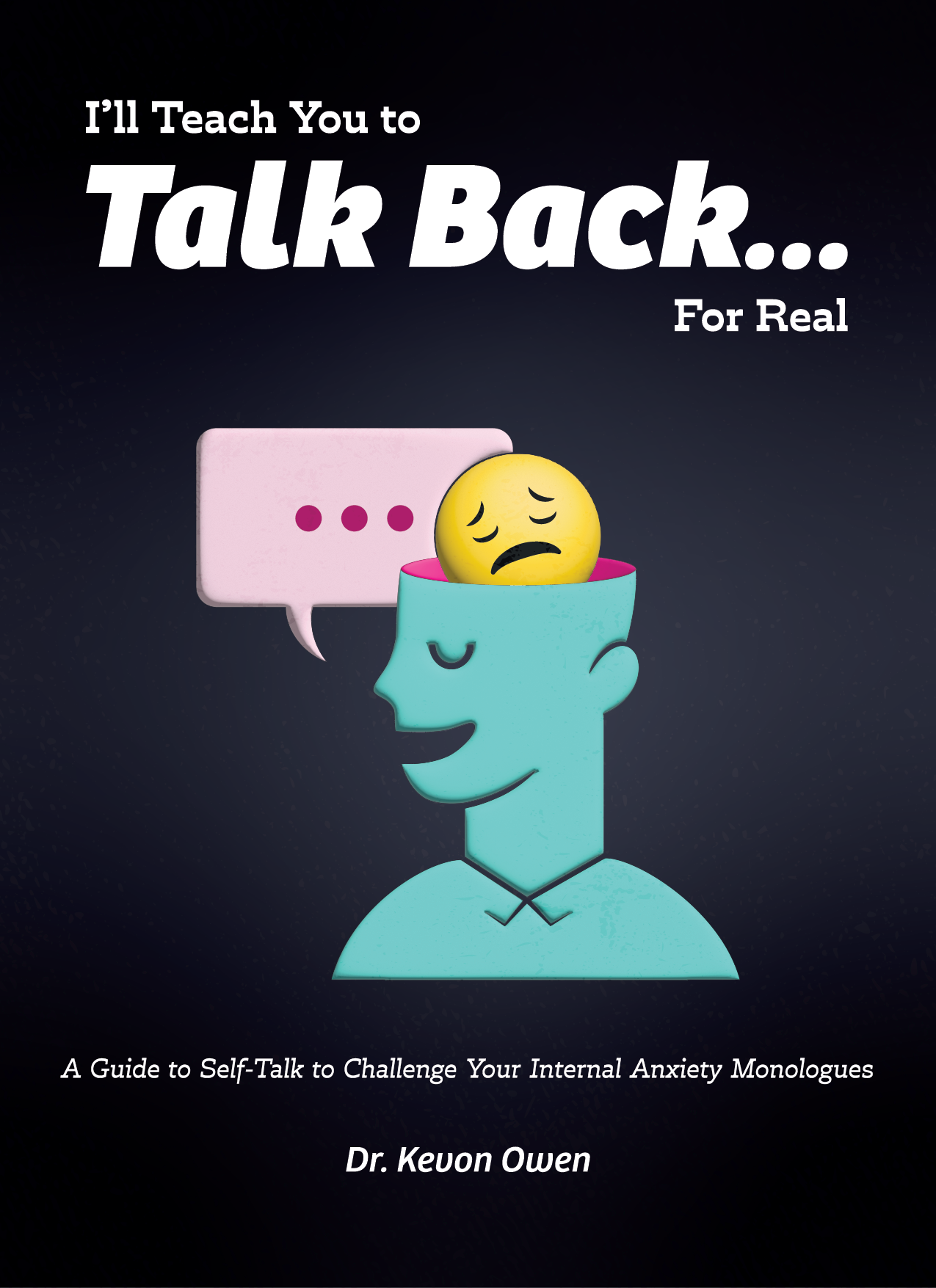
    Upcoming Books

    Recent Post

    PTSD Symptoms People Often Miss

    Post-traumatic stress disorder is often reduced to flashbacks and nightmares, but many overlooked symptoms show up in quieter ways. Trouble sleeping, irritability, emotional numbness, shame, avoidance, body tension, concentration problems, and a constant sense of...

    A Simple Gratitude Practice That Actually Sticks

    Gratitude is often framed as a quick fix, yet many people give up on the habit after a few days because it feels forced, repetitive, or disconnected from real life. A simple gratitude practice that lasts is usually small, flexible, and grounded in daily experience....

    Depression Signs and When It’s Time to Get Help

        Depression is one of the most common mental health conditions in the United States, yet it remains one of the most misunderstood. Millions of people live with depression for months or even years before recognizing it for what it is — or before reaching...

    Time Management That Protects Your Work-Life Balance

     Better time management is not about squeezing more work into the day. It is about protecting energy, relationships, sleep, and mental health while still meeting real responsibilities. This guide explains practical scheduling, boundary-setting, and stress-management...

    Parenting Teens with Firm Limits and Real Empathy

     Parenting a teenager can feel like walking a tightrope. Too strict, and the relationship shuts down. Too loose, and safety, school, and mental health can slide fast. The goal is not “control.” The goal is steady leadership with real connection - firm limits paired...

    Adult ADHD: What It Really Looks Like and How to Manage It

      Adult ADHD is often missed because it does not always look "like "hyperactivity." Many adults show it through time blindness, scattered focus, emotional reactivity, chronic overwhelm, and unfinished tasks that quietly stack up. This page explains what adult...

    Quieting Your Inner Critic: Practical Self-Compassion

       An inner critic can sound like “helpful motivation,” but it often fuels stress, shame, and burnout. Self-compassion is not self-pity or letting things slide. It is a skill set that builds steadier self-talk, better coping, and healthier choices. This guide...

    Rebuilding Connection: Couple Communication That Works

    Kevon Owen Christian Counseling Clinical Psychotherapy OKC — 10101 S Pennsylvania Ave C, Oklahoma City, OK 73159 — 405-740-1249 / 405-655-5180 — https://www.kevonowen.com When couples feel disconnected, the path back toward trust and closeness usually runs through...

    Anxiety or Everyday Worry? How to Tell the Difference

         Worry is a normal problem-solving response to real-life stress. Anxiety often feels bigger than the moment, harder to shut off, and more likely to show up in the body. The clearest divider is impact: when the thoughts and physical stress start to limit...

    Mindful Micro-Breaks for Fast Stress Relief

     Stress often builds in small, quiet ways. A tense jaw. Shallow breaths. A racing mind between meetings. Mindful micro-breaks are short pauses, usually 30 seconds to 5 minutes, that help the body shift out of “go mode” and back into steadier ground. These breaks do...